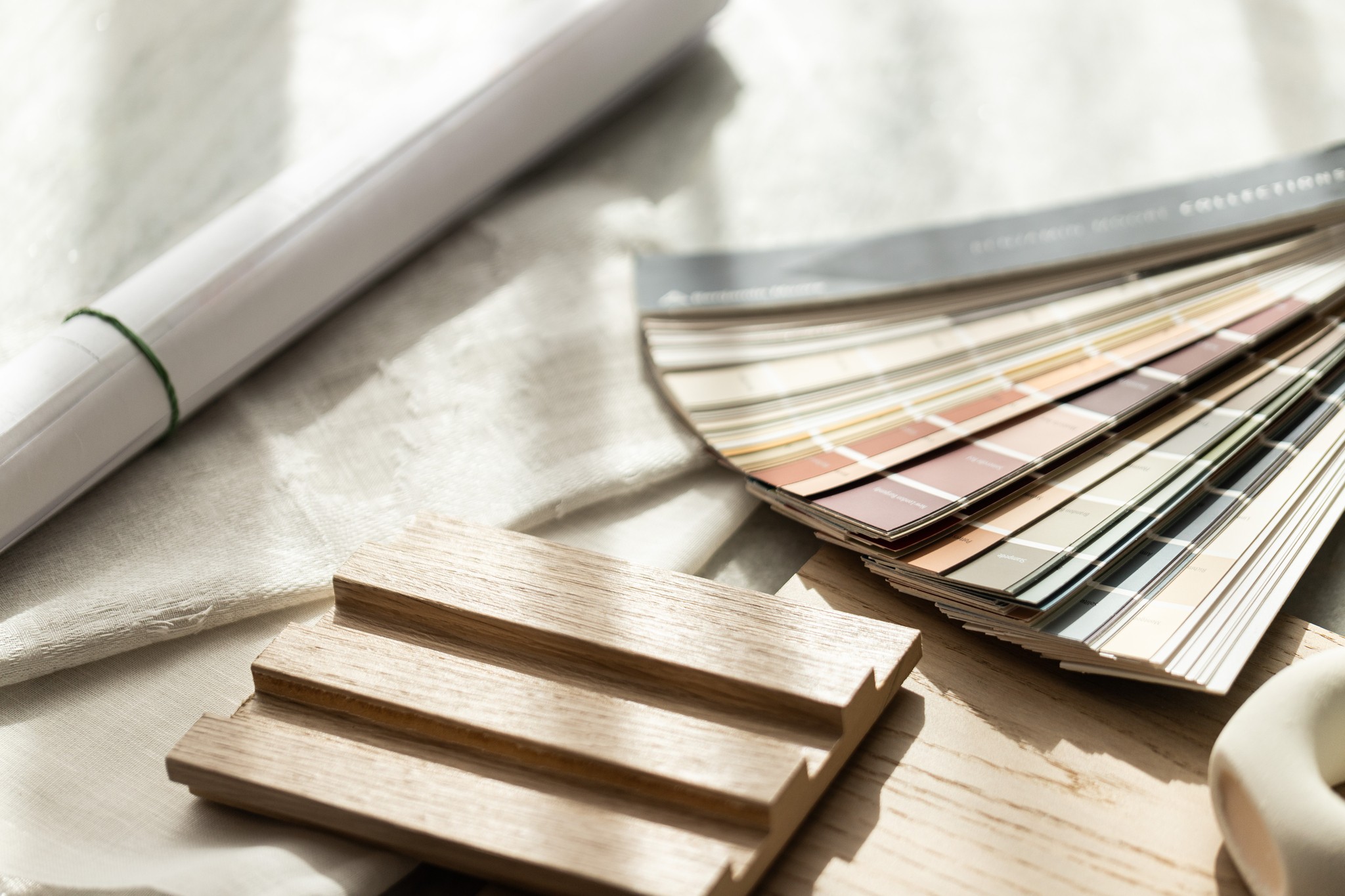
Most renovations start with excitement. You begin collecting inspiration like it’s a new hobby. Your phone fills with screenshots of kitchens, tiles, light fixtures, and that one arched doorway that feels life-changing for reasons you can’t explain. You can almost feel how your home could shift and breathe differently. The dreaming stage is lovely.
Then the decisions begin. And continue. And multiply. Until you’re overwhelmed.
Many options are beautiful, but only a few will support how you live every day. That difference is subtle, and this is where a professional designer steps in. Design is less about taste and more about understanding behaviour: how you move, gather, cook, rest, entertain, and retreat. Homes are personal. They’re shaped by routines, quirks, comforts, and tiny rhythms most people never think about. But those rhythms are what determine whether a space feels natural to live in.
When most people look at a room, they see furniture and colour. Designers look for patterns. We notice where things get set down, which seats people gravitate to, how conversation happens in the living room, or whether the kitchen layout helps people come together or pushes them apart. These seemingly small details guide how a space should work. A room can be visually beautiful and still create tension in daily life. Good design eases that tension.
When we first speak with clients, they often tell us about the materials they want in their home. We listen and take notes, but before anyone chooses tile, flooring, or paint, design begins with how the space is arranged.
Space planning, flow, sightlines, lighting, and connection points come first. These elements determine how a room feels. They shape comfort, movement, and atmosphere. Materials come later, layering tone and character onto the structure of the experience.
A space that feels “right” isn’t the product of a single bold choice. It’s the result of quiet, thoughtful decisions that support how the people inside it live.
Inspiration is a great starting point. But Pinterest doesn’t know how tall the people in your home are or that you’re a multigenerational household. It doesn’t know whether you like to cook alone or with company. It doesn’t know that shoes collect at the back door, or that bedtime is when one person reads and another is asleep two minutes later. Inspiration is helpful, but it must be filtered through the reality of your life. Designers help with that filtration process.
The goal isn’t to replicate someone else’s space. It’s to translate what you love into something that works beautifully for you.
Style isn’t about declaring a look. Though there’s nothing wrong with putting a name to a style you enjoy. Being able to say, “My style is if traditional and bohemian had a baby,” to a designer can be very helpful.
Personal style runs deeper. It’s about expressing identity through space.
Some people want open, social rooms filled with opportunities to gather. Others want softness, layers, and cozy nooks to retreat to. Some feel best in calm simplicity; others feel alive with bold character. Designers listen closely until the pattern becomes clear. The aim is not to impose a look, but to articulate who you are and who you're becoming.
Layouts are an integral foundation of design, but the finishing touches matter too. The way a space looks impacts how it feels. Colour influences mood. Texture influences comfort. Scale influences ease. Lighting influences energy and restoration. These elements interact quietly in the background of daily life. When they’re balanced well, a space supports you without calling attention to itself. When they’re off, something feels unsettled even if you can’t pinpoint why. Designers can pinpoint why and are able to fix it.
Most homes don’t struggle because they lack beauty. It’s not the mismatched furniture that makes a room feel off. It’s the items that have no home that clutter the eye and ultimately the mind.
Good storage is not about adding more cabinets. It’s about placing storage where daily habits naturally occur. Keys land where they’re dropped. Let’s just make it a pretty place to drop them, so it becomes both beautiful and practical. Breathable storage for bath toys where they can simultaneously be dried and stored so they’re ready where they’re needed without cluttering the bathtub until they’re dry. Kitchen tools live where hands reach without thinking. Cutlery drawers are placed beside dishwashers. When storage supports life, surfaces stay clear, and the home breathes.
Homes evolve as people do. Renovating or refreshing a space usually comes at a moment of transition. Typically, we see families when a couple has just moved into a combined home, a new arrival is imminent, someone has retired and is right-sizing, or a family home is becoming multigenerational. The designer’s role is to support not just the physical change, but the emotional one.
It’s about preparing the home for the next chapter. It’s thoughtful work, not superficial. We walk you through the emotional steps of a renovation. It’s also why we take our time during the design phase to allow you to process each stage of change to make good, lasting decisions that will allow you to grow into your next stage of life.
Working with a designer does not mean giving up ownership of your home. It means having someone who helps quiet the noise when options become overwhelming. Someone who can gently say, “This feels like you,” or, “This might not support how you live.” Design is a conversation. It’s discovery. It’s support. It’s a journey.
Because your home should feel like it was designed for you, not just decorated.
Because you deserve to feel good in the space where life unfolds.
Because thoughtful design shapes how we gather, rest, connect, and come home to ourselves.
If you're ready to work with a designer, let's talk.