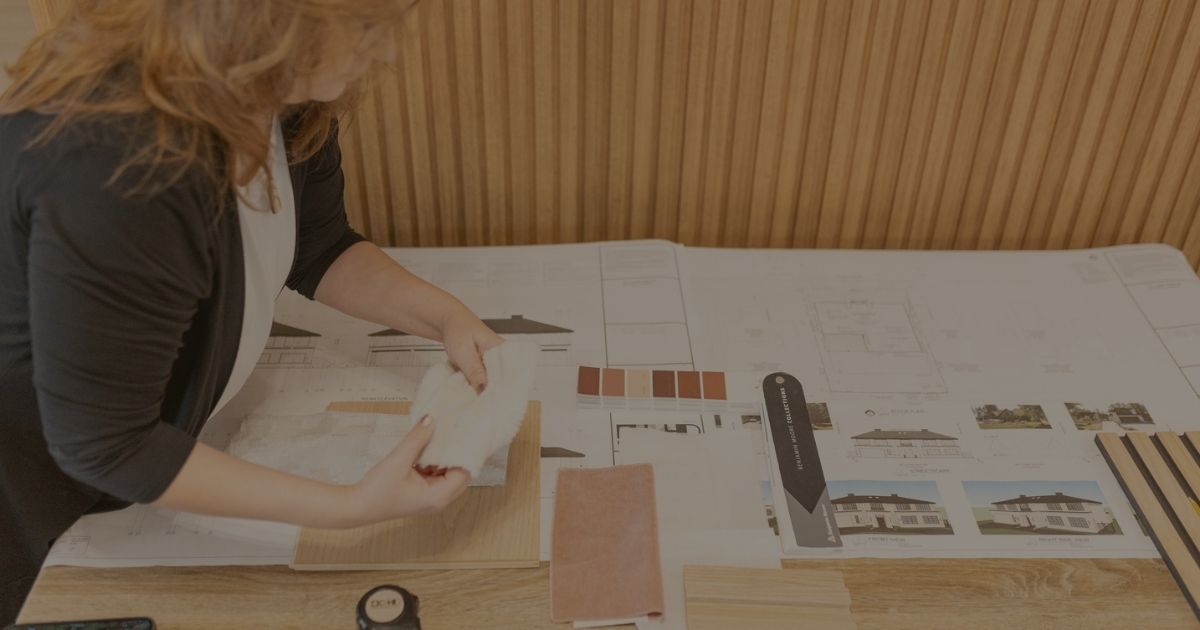
After the holidays, renovation conversations quietly begin. The functionality problems of your kitchen start showing. A neighbour finishes a renovation. A friend is planning one for spring. Numbers are exchanged. Timelines debated. Advice is shared with confidence, even when it is incomplete and misses the nuance that comes with every custom home renovation.
A new year brings fresh plans. It also brings assumptions that deserve a second look.
We hear a lot of things about renovations. Everyone’s experience is different. It’s not one-size-fits-all. You’re unique, and so is your home. Here are the misconceptions that come up most often, and what tends to be true instead.
Lower quotes often feel reassuring. They rarely tell the full story.
Critical elements are frequently missing. They do not disappear. They resurface later as change orders, additional materials, delays, and repairs due to a lack of clarity on the functionality of the products. When they are not accounted for, the risk is transferred to the homeowner.
A competitive estimate should still feel complete, but we cannot stress enough that a discovery call and site visit are not enough to quote a large project. Large renovations should include a design to create a budget. If a quote feels vague, it usually is. It’s no exaggeration to say that there are thousands of considerations when it comes to renovations. A quick quote barely scratches the surface.
If you’re resurfacing or repairing and not changing layouts or functionality, it’s possible to have a minimal plan, but skipping design is not efficient. It’s the opposite.
Without a complete plan, decisions move to the construction phase, when they are most expensive. Trades wait. Materials are reordered. Layout problems appear once framing is already in place.
Design is not decoration. While interior design is often described in terms of tile, flooring, and wall colours, it’s more than that. More than pretty fixtures, design is advanced problem-solving filled with knowledge of ergonomics of the human body, as well as building code.
Clear design work reduces uncertainty. It protects budgets. It makes timelines make sense.
This concern surfaces often, especially when a schedule feels longer than expected.
In reality, longer timelines are usually a sign of proper planning.
Quality contractors build schedules with buffers. Those buffers account for known variables. Material lead times. Weather exposure. Trade sequencing. They are not placeholders. They are safeguards.
Although the full schedule is seldom provided to clients, project managers and construction managers often utilize a project planning method known as the critical path method (CPM). Some tasks must be done in a certain sequence to prevent the entire project from derailing. These are on the critical path. Some tasks may be done concurrently, and they are not on the critical path. The entire project is mapped out. Anything on the critical path must be thoroughly considered, and sometimes that means adding days in the schedule for material deliveries to allow some leeway so everything can continue in the correct sequence. No one wants to leave a chunk of drywall unfinished because the HVAC part wasn’t ready in time.
Material delays are rarely a surprise. Cabinet production, tile availability, specialty fixtures, and custom millwork are typically known early. When schedules acknowledge those realities from the start, projects tend to move forward without last-minute scrambling. On well-planned projects, most homeowners don’t know that any of this is happening. At KHD Homes, we call this “Wrapped in a velvet box.”
Proper planning creates timelines that are near fixed, not optimistic guesses. Short schedules without buffers are more likely to fail.
On paper, materials can look interchangeable. It’s why flipped homes are gorgeous. That is, until you live in them for a few years and realize that the materials used, while aesthetic, were not made for longevity.
Though budget is typically a deciding factor, the most important question rarely surrounds price. The most important question is “How long do you expect to live with this material?”
If a finish is likely to be replaced in ten years due to changing design trends and tastes, a more economical option may be appropriate. Most homeowners expect kitchens, bathrooms, and flooring to last for decades, but some items, like a trending tile, could be less costly and be lovely.
Something meant for aesthetics rather than function may also fall in the category of an acceptable low-budget item (we say *may* because highly designed, simple items are usually on the high-end side). Buy that budget chair if the scale is right for the room and you have no intention of sitting on it for any length of time. Quality furniture has better structure and comfort.
In Calgary’s dry winters and fluctuating temperatures, durability matters. Quality materials cost more because they perform better over time, not because they look different on day one. We could show you two nearly identical rooms with vastly differing budgets. As time goes on, smart investments in design and materials will prevail.
Materials chosen for longevity rarely fall into the cheapest category.
Resale value is not guaranteed. It is created intentionally.
Functional kitchens and bathrooms consistently deliver the strongest return, though the reality is that most renovations will not deliver 100% return on investment. However, the speed of sale is also a factor in return on your investment.
A bad house layout won’t be hidden by shiny new finishes. Poor circulation, awkward appliance placement, or insufficient storage will deter buyers, regardless of how attractive the materials are. We have watched countless flips sit on the market because they thought that simply refinishing would fix the glaring problems with layout. When functionality is missing, all buyers see is an expensive renovation where they’ll have to rip out perfectly good materials to fix the issues.
Designers focus on how people move, cook, clean, and live. That expertise translates directly into resale strength.
A renovation that improves function, flow, and usability will typically outperform one that focuses only on surface upgrades. Bad layouts do not sell well.
Most of KHD’s renovations are focused on a hygge quotient or an emotional return on investment. How long do you plan on being in this home to enjoy it? What will bring you the most value for the time you’re living in your home?
Many homeowners prioritize skills and pricing. Communication is treated as secondary. We understand. A quickly offered quote feels concrete, a rehearsed sales pitch that uses builder jargon instills confidence, and the renovation process seems like it will flow smoothly.
In practice, communication defines the experience. Explanations of the nuance at the onset of the project may seem fluid and loose, but this is experience talking. No two renovations are the same, and experts will communicate what’s required for yours, not what they did in John’s down the street. They’ll set clear expectations of what is known and unknown. They’ll communicate early and often.
Renovations involve hundreds, if not thousands, of decisions. Silence creates stress. Information builds confidence.
This matters even more on longer projects that span seasons, holidays, and family schedules.
A successful project is not one without challenges. It is one where challenges are identified early and addressed clearly.
We’ll let you in on some classified information. Something’s going to go wrong. It’s inevitable. The real secret is the fail-safes you have set up to counteract anything that may go wrong. Construction is complex. Adjustments are necessary and normal. The good news is that design and construction professionals thrive on problem-solving.
Problems managed early remain manageable. Problems ignored tend to grow.
Many homeowners believe they need to have everything figured out before reaching out.
In reality, early conversations prevent costly assumptions. Professionals help clarify priorities, identify constraints, and flag risks before plans harden. You do not need all the answers to begin. You need the right framework.
A renovation or new build is not a transaction. It is a layered process that rewards preparation, transparency, and realistic expectations.
Calgarians are asking better questions now. About longevity. About function. About how homes support real life.
Understanding what is not true is often the first step toward building something that works.
When you’re ready, we’re here to help! The coffee is always on.